

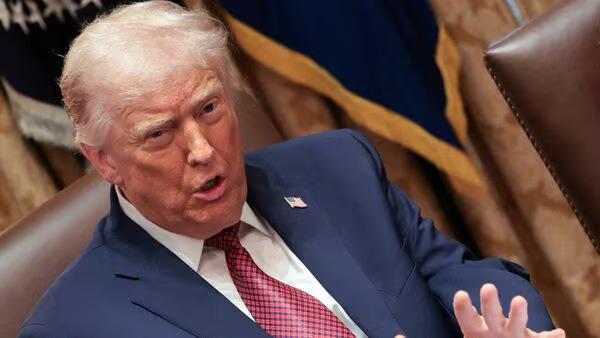
More US Tariffs on the Way? Donald Trump Says He May Impose Duty on Indian Rice Imports — What This Means
A major trade controversy is brewing as former US President Donald Trump has hinted at the possibility of imposing new tariffs on Indian rice imports, a move that could impact exporters, global markets, and millions of consumers. His statement, made during a recent public address, has raised alarms across India’s agricultural and export sectors.
The proposal—though not officially confirmed as policy—signals a stricter trade stance that may parallel Trump’s earlier tariff-heavy approach during his presidency.
Why Trump Is Targeting Indian Rice
Trump claimed that Indian agricultural imports, particularly rice, are “hurting American farmers” and that the US must “protect producers from cheap overseas products.” He suggested that India’s strong export subsidies and competitive pricing give it an advantage in the global rice market.
The US does not heavily rely on Indian rice for domestic consumption, but imports certain premium varieties like basmati, which enjoy strong demand among Indian and Asian communities in America.
Potential Impact on Indian Rice Exporters
India is the world’s largest rice exporter, accounting for nearly 40% of global rice shipments. The US is a relatively smaller market compared to countries in the Middle East and Africa, but it remains important for:
Premium basmati rice brands
Small and medium rice exporters
Specialty food retailers
If tariffs are introduced, Indian exporters may face:
Higher pricing in US stores
Reduced competitiveness against American rice
Slower demand in speciality markets
Possible diversion of exports to Europe, UAE, and Canada
How This Could Affect Consumers in the US
Higher duties would directly affect retail prices of Indian rice in the US. This could lead to:
Increased prices for basmati and long-grain varieties
Higher grocery bills for Indian, Pakistani, Bangladeshi, and Middle Eastern families
Reduced availability of premium Indian rice brands
More dependence on American-grown alternatives
Economists warn that tariffs may also encourage retailers to switch suppliers to avoid higher import costs.
India’s Reaction and Possible Countermeasures
The Indian government has not issued an official response yet, but trade specialists suggest that New Delhi may:
Seek diplomatic clarification
Engage in trade discussions to reduce tensions
Explore retaliatory tariffs if US duties are implemented
Strengthen exports to other high-value markets
India–US agricultural trade has seen friction before, especially regarding almonds, apples, lentils, and dairy products.
What This Means for Global Rice Markets
Rice prices are already volatile due to:
Climate-related crop shortages
Export bans by major rice-producing nations
Increased global demand
If the US introduces tariffs, it could disrupt supply chains and push prices higher, especially for premium rice categories.
Analysts say the move could:
Push global basmati prices upward
Shift more Indian exports toward the Middle East
Create market gaps for competitors like Pakistan and Thailand
Increase pressure on global food inflation
Is This Just Election Rhetoric?
Some experts believe Trump’s comments may be politically motivated, aimed at:
Appealing to American farmers
Demonstrating a tough stance on trade
Reviving “America First” economic policies
However, if implemented, the new tariffs could become a significant point of tension between India and the US.
What Happens Next?
The US Trade Representative (USTR) has not announced any official review or tariff proposal yet. For now, Trump’s comments remain a warning sign for Indian exporters.
But trade observers believe that discussions on agricultural imports could heat up in the coming weeks, especially if Trump continues signalling tariff-based trade protection.
Leave a comment
Your email address will not be published. Required fields are marked *