

Adults Can Be in Live-In Relationship Even Without Attaining Marriageable Age: Rajasthan High Court
In a significant judgment, the Rajasthan High Court has ruled that two consenting adults can enter into a live-in relationship even if they have not yet reached the legal marriageable age. The court emphasized that the right to live together flows from the fundamental right to personal liberty under Article 21 of the Indian Constitution.
What the Court Said
The High Court clarified that while the legal age for marriage in India is fixed—21 for men and 18 for women—there is no statutory bar preventing adults (18 years and above) from choosing to live together.
The court stated that once an individual attains the age of 18, they are legally recognized as an adult capable of making independent decisions regarding their personal life.
Background of the Case
The judgment came after a couple approached the Rajasthan High Court seeking protection. Their families allegedly opposed their relationship and threatened them due to their age difference and the fact that one partner had not reached marriageable age.
The couple clarified that they were not seeking to marry immediately but simply wanted protection to live together peacefully.
Court’s Observations
The High Court made several key observations:
- A live-in relationship is not illegal in India.
- Adults aged 18 and above have the right to decide where and with whom they want to live.
- Marriageable age restrictions do not apply to live-in arrangements.
- The court cannot deny police protection simply because the couple is not of marriageable age.
Why This Verdict Matters
This judgment reinforces the growing legal acceptance of live-in relationships in India. It also strengthens:
- Individual autonomy
- Right to choose a partner
- Protection for couples facing social opposition
- Expansion of personal liberty rights under Article 21
Legal experts believe the ruling will help prevent harassment of young couples and ensure that personal choices are respected.
What Happens Next?
The court directed the police to provide necessary protection to the couple and reiterated that adults cannot be forced apart by families or society.
The judgment is likely to influence similar cases across India where young adults seek legal protection for relationships outside traditional norms.
If you want, I can also add SEO keywords, meta description, or a short excerpt for posting on mtechblogs.in.
Adults can be in live-in relationship even without attaining marriageable age: Rajasthan HC
Rajasthan High Court ruled that two adults can enter into a live‑in relationship even if they have not reached the legal age of marriage, as long as both partners are consenting adults (18 years and above). The court stated that the right to choose one’s partner and live with them is protected under Article 21 of the Constitution, which guarantees the right to life and personal liberty.
The judgment came after a couple approached the court seeking protection. Although they had not reached the age required for marriage, the court held that being below marriageable age does not restrict two consenting adults from living together. The court emphasized that the police must provide protection if there is a threat to their life or liberty.
The ruling reinforces that live‑in relationships are legally permissible, and adults have the freedom to decide how they want to live, without interference from society or family.
Calcutta HC Refuses to Interfere with Mosque Foundation Stone Laying by MLA Humayun Kabir
The Calcutta High Court has declined to intervene in a plea challenging the laying of the foundation stone for a mosque by MLA Humayun Kabir. The court stated that it found no immediate grounds to stay or obstruct the ceremony, emphasizing that such matters require substantial evidence of legal violations before judicial interference.
The petitioners argued that the ceremony was conducted on land allegedly not designated for religious construction. However, the court noted that no conclusive proof was presented to establish misuse of land or breach of public order. It further observed that administrative and municipal authorities are responsible for addressing such disputes in the first instance.
The court’s decision means that the mosque construction can proceed unless future evidence warrants legal intervention. The ruling underscores the judiciary’s cautious approach in matters involving religious structures, land disputes, and political involvement.
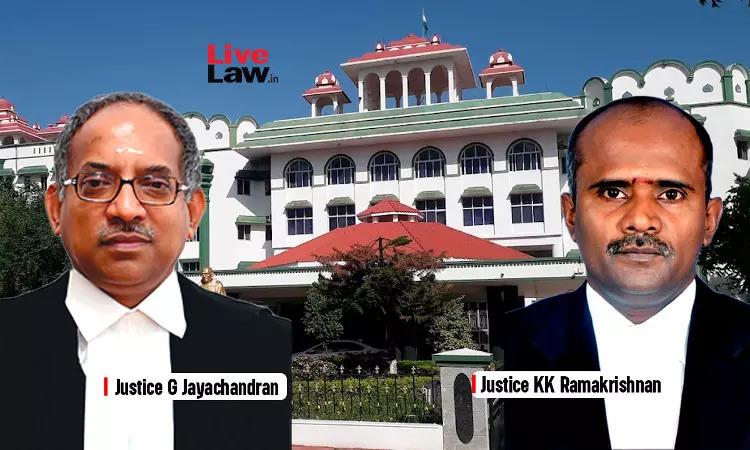
'Don't Test Our Patience': Madras High Court Slams Personal Comments Against Judge Amid Thiruparankundram Deepam Issue, Warns Of Action
The Madras High Court has issued a stern warning after personal and derogatory remarks were made against a sitting judge in connection with the Thiruparankundram Deepam controversy. The court stated that such comments undermine the dignity of the judiciary and will not be tolerated.
The bench emphasized that criticism of judicial orders is acceptable, but personal attacks on judges cross legal and constitutional boundaries. "Don't test our patience," the court remarked, cautioning individuals and groups that strict action—including contempt proceedings—may follow if such behaviour continues.
The controversy erupted after a dispute over permissions and traditions related to the Thiruparankundram Hill festival. The court reiterated that judicial orders are issued based on law and evidence, not public pressure or sentiment. It added that maintaining respect for institutions is essential for the functioning of democracy.
With this warning, the High Court has made it clear that while public discourse is welcome, targeted personal criticism of judges will invite serious consequences.
Leave a comment
Your email address will not be published. Required fields are marked *